
Last month, I wrote about how my new Etsy store took off and shared a few tips and lessons from my experience. Within 30 days, my shop was beating 76% of Etsy stores. Since then, I've been studying the market even more and paying closer attention to what's actually moving.
Right now, I sell mainly digital wall art because it's easy to create and manage. No shipping, no inventory, no leaving the house. Just design, upload, and let Etsy do what Etsy does.
And Etsy really is a beast. It's a huge platform where people around the world are searching every day to buy. That's why spotting trends and keywords is so important, especially if you just started your account or you're planning to start soon.
"Personally, I use Canva and QuestStudio, since QuestStudio lets me create and save my prompts in a library for free. That makes it easy to reuse what works and generate more designs by changing the subject, colors, animals, themes, and so on."
You can also use Nano Banana, ChatGPT image tools, or whatever you like. The tool matters less than matching the style people already want.
Volume matters, but competition matters more than people think
When I first started with digital wall art, I went for volume. I was mostly focused on big search numbers. But volume doesn't tell the full story.
You also have to watch out for competition. If the competition is too high, you'll have a hard time scaling and standing out, and that can turn into a huge time-waster.
Now, I'm not saying to avoid high-volume, high-competition keywords forever. They have a lot of competition for a reason. There's money there. But when you're still building your brand, it's way easier to start with mid-to-high volume + lower competition keywords. You can rank faster, get traction sooner, and build momentum.
The niche I'm targeting right now: Nursery Art
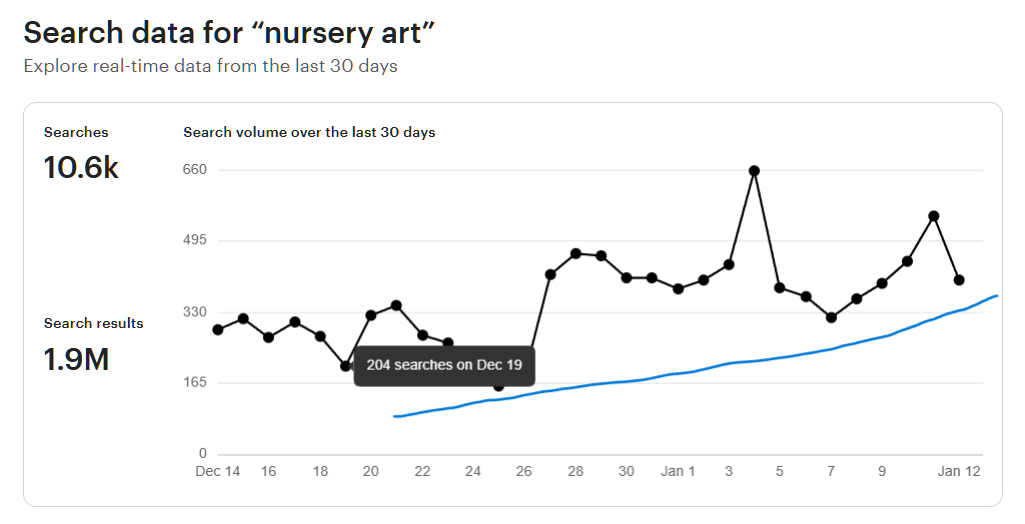
Nursery art has been steadily increasing over the last 30 days. According to Etsy Search Insights (this data comes directly from Etsy), there's been an average of 400+ people searching "nursery art" daily, looking to buy.
Even capturing a small percentage of that daily traffic can add up. If you pulled in around 5% of those searches, that could mean roughly $80-$150/day in sales, depending on your pricing and how well your listings convert.
Why I'm not targeting "nursery art" directly
Here's the problem: "nursery art" is too generic. It's broad, crowded, and you'll be fighting everyone. So instead of targeting the main keyword, I go after long-tail keywords inside the nursery niche. This is where you can find your sweet spot.
Personally, I tend to avoid keywords that have over 1M search results (listings). That's too crowded for a newer store. Once my shop has more ranking power, then I'll go after the top keywords more aggressively.
Top long-tail keywords in the nursery art niche
All of this data is taken straight from Etsy.com Market Insight:
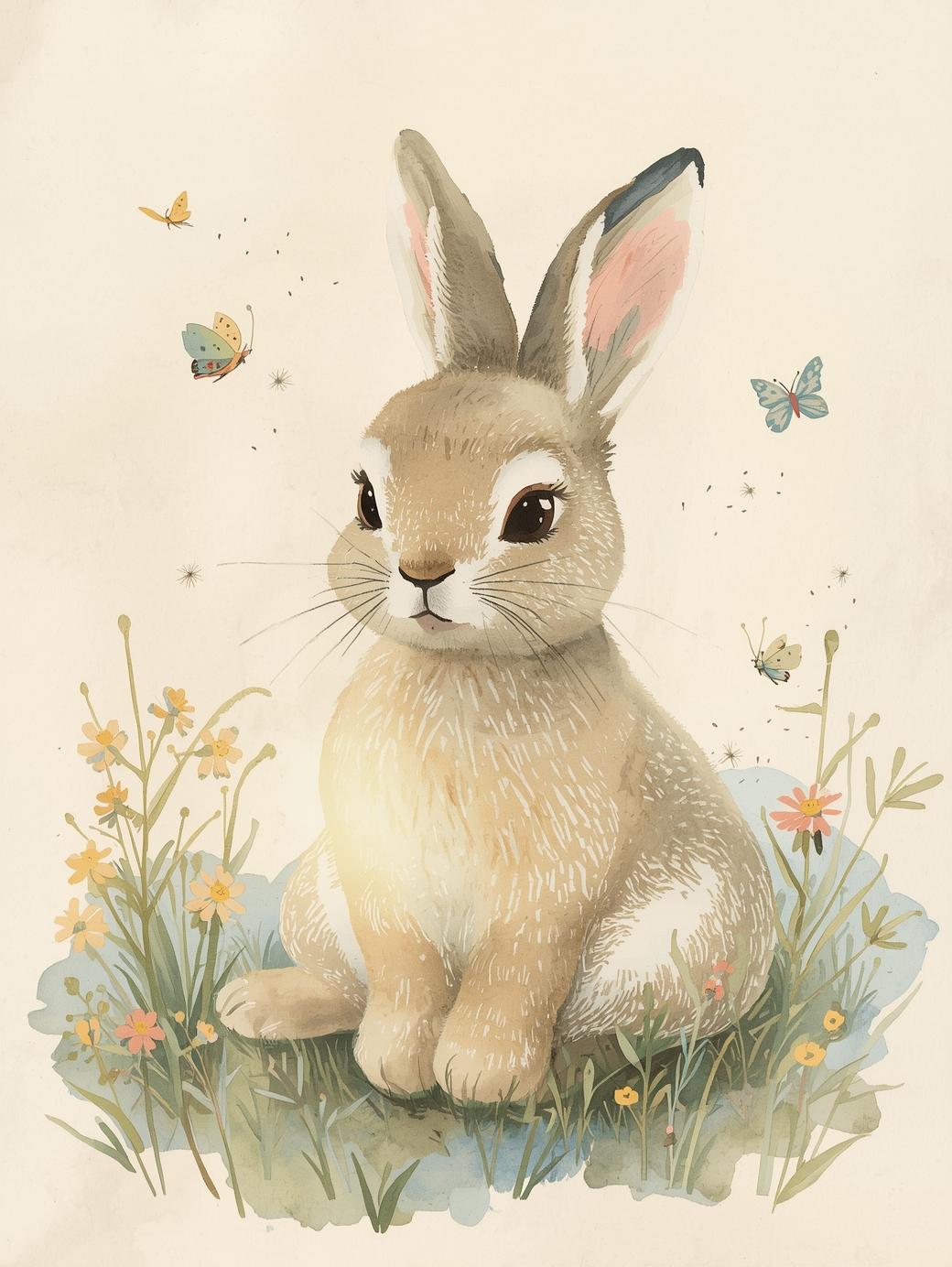
1. "vintage nursery art"

2. "boy nursery art"
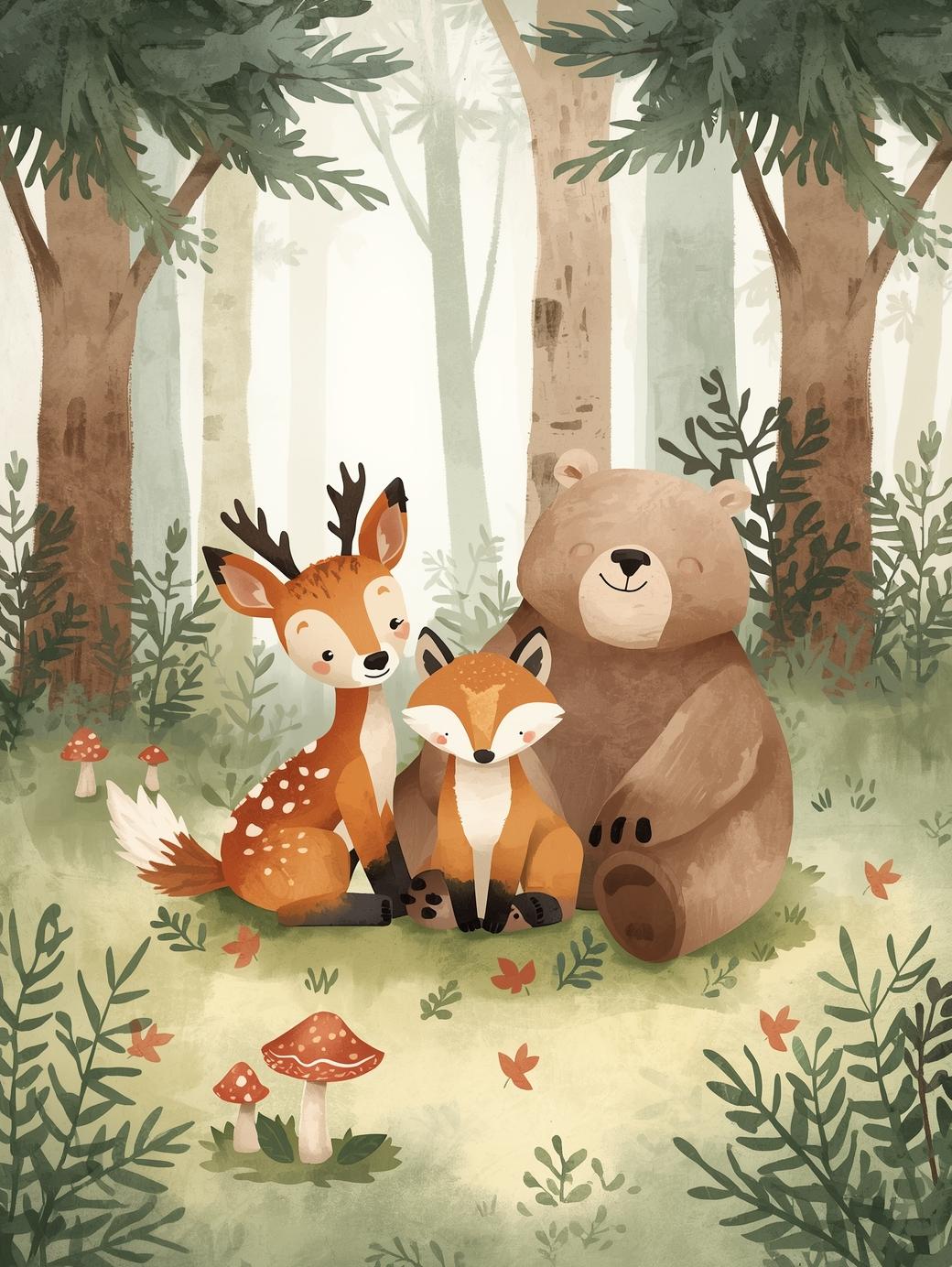
3. "woodland nursery art"
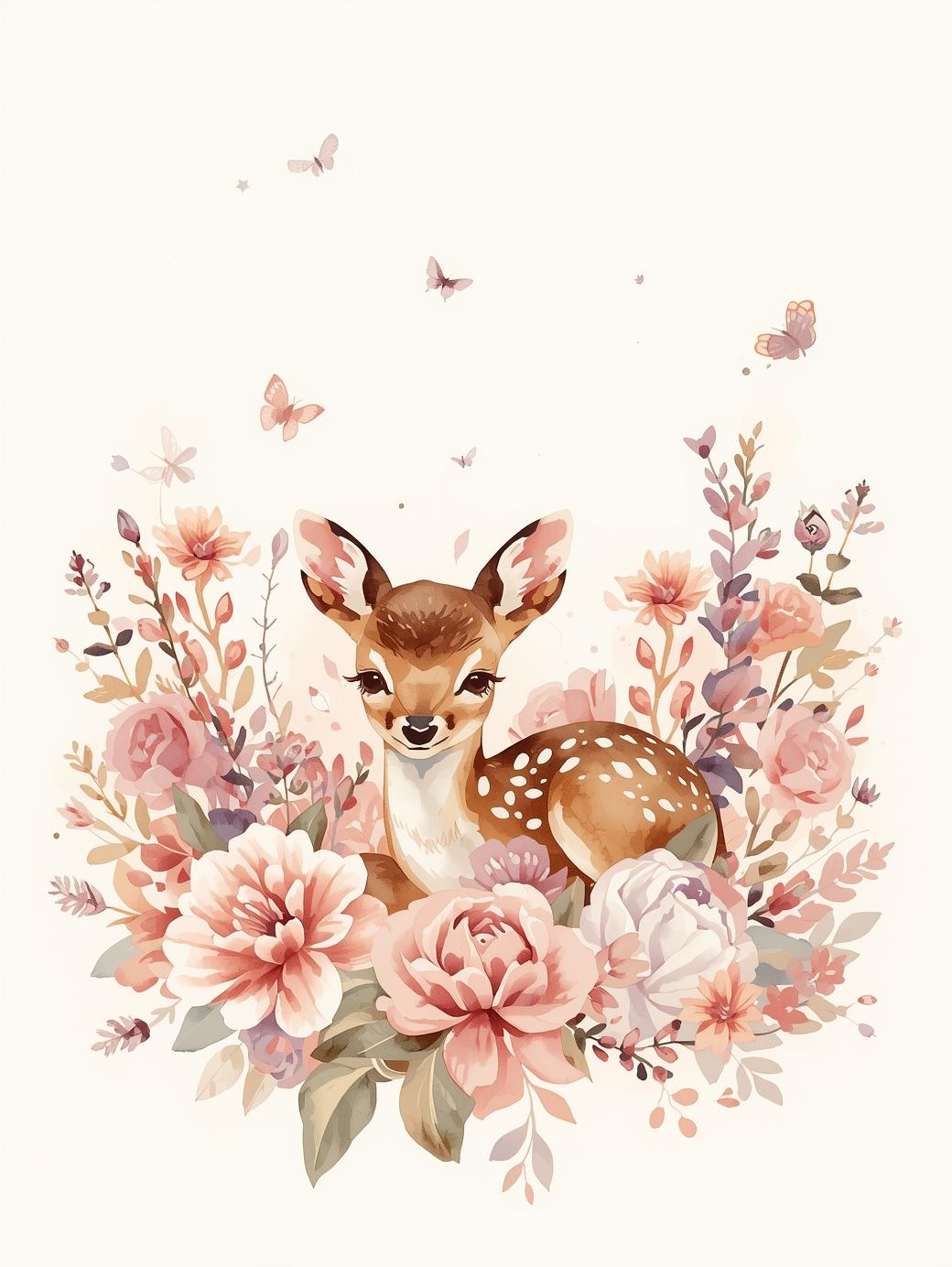
4. "girl nursery art"
Prompt Example: Vintage Nursery Art
I used this prompt in Prompt Lab to get the vintage watercolor look buyers are loving right now:
These keywords have real potential, but always keep in mind results aren't guaranteed. What we're doing is improving the odds by targeting keywords where the trend is rising and the daily search volume is healthy, without stepping into insanely crowded territory.
Next step: Create the art that matches what buyers are already buying
After gathering the keywords, the next step is to get the images. For better results, you have two solid approaches.
1) Manually study what's already selling (the safest route)
This is what I recommend if you're just starting out or entering a new niche. Search your target keyword directly on Etsy and look at the top listings. Pay attention to:
- Art style (minimal, watercolor, vintage, hand-drawn, etc.)
- Color palettes (muted tones are big right now)
- Subject matter (animals, objects, typography)
- Whether the art is playful, calm, or modern
You're not copying anyone. You're identifying patterns. If multiple listings are selling well and they all share similar traits, that's a strong signal that buyers already like that look.
2) Get creative, but stay inside the buyer's expectations
Once you understand what's working, this is where you can add your own touch. You can tweak the style, adjust the color palette, or present the art in a cleaner or more premium way. The key is not to reinvent the wheel too early. Creativity works best when it's layered on top of proven demand.