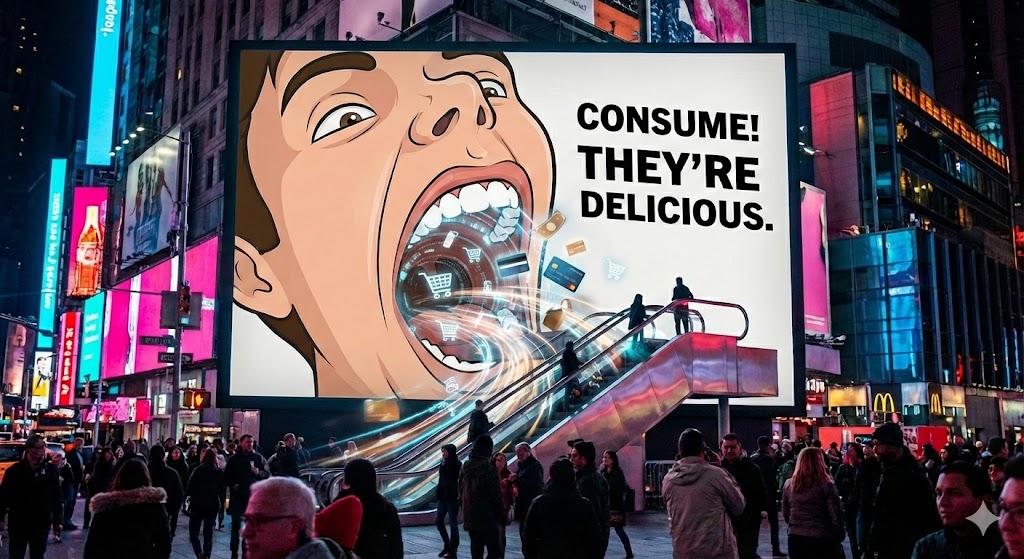

OpenAI says it plans to start testing ads in ChatGPT for logged-in adults in the US on the Free tier and the Go tier. The promise is simple: ads will be clearly labeled, separated from the answer, and money will not influence what ChatGPT tells you.
That sounds clean on paper. The real question is how it feels in real usage, because ChatGPT is not a social feed. People use it like a helper, a tutor, and sometimes a private notebook. Ads inside that flow are a different kind of trust test.
What OpenAI says is changing
Here is the practical version of what has been announced so far:
- Ads are planned to appear at the bottom of answers, in a clearly labeled sponsored area.
- The test is for adults, starting in the US, on Free and Go, not on Plus, Pro, Business, or Enterprise.
- OpenAI says it will not accept money to influence the actual answer, and it says conversations will be kept private from advertisers.
- Users are expected to have controls, including turning off personalization, dismissing an ad, and seeing why an ad was shown.
- Sensitive areas are expected to be restricted, with examples like health and politics noted in reporting.
If you only take one thing from this, take this: ads are being positioned as something next to answers, not inside answers.
We are starting to test ads in ChatGPT free and Go (new $8/month option) tiers.
— Sam Altman (@sama) January 16, 2026
Here are our principles. Most importantly, we will not accept money to influence the answer ChatGPT gives you, and we keep your conversations private from advertisers.
It is clear to us that a lot… https://t.co/f9Dv53rWU7
Why this shift matters
What makes this worth watching is that it is a shift from where OpenAI started. Back in October 2024, Sam Altman called ads a "last resort" business model.
"I kind of think of ads as like a last resort for us as a business model," - Sam Altman, October 2024 https://t.co/BWHiXPlVFD pic.twitter.com/dw2ywE1pYi
— Tom Warren (@tomwarren) January 16, 2026
That was only about 15 months ago. The fact that OpenAI is now testing ads in Free and Go tiers tells you something about the economics of running ChatGPT at scale. It also suggests that either subscription revenue is not enough to cover costs, or that OpenAI wants to offer a lower-priced entry point without cutting features too much.
The real question is not whether ads were always possible, but whether they will stay in their lane once they are live. When a company says ads are a last resort, then launches them, it puts pressure on the team to prove they can do it without degrading the experience.
The part nobody should ignore: recommendations are a special category
Even if ads never touch the text of the answer, they still sit next to the moment you are most likely to act.
That matters because a lot of ChatGPT prompts are high-intent:
- What camera should I buy
- What software should I use
- What is the best tool for my workflow
- What should I do for my business next
In a normal search engine, everyone already expects ads. In a chat interface, the default expectation is different. The interface feels like advice, not a marketplace.
So the real test is not whether an ad is labeled. The test is whether users start second-guessing everything around that label.
What to watch for as ads roll out
These are the tells that will decide whether this improves the product or degrades it:
1) How often ads show up
If ads only appear in obvious commercial prompts, most people will adapt quickly.
If they start showing up in borderline cases, like learning, brainstorming, or career questions, users will feel the shift immediately.
2) How easy the controls actually are
Opt-out needs to be real, easy, and sticky. If you have to keep re-disabling personalization, people will assume the worst.
3) Whether ads create a new prompting behavior
Users might start gaming their prompts to avoid sponsorship triggers.
That sounds small, but it changes the nature of the tool from ask anything to ask carefully.
4) The Go tier question
Go is a paid tier at $8 per month, and it is still included in ad testing. That will bother some users, because the mental model of paying is usually remove friction.
OpenAI is basically betting that there is a large segment that will accept lighter ads for lower cost access.
How to use ChatGPT safely once ads exist (simple rules)
This is not panic advice. It is basic hygiene.
Use a two-step check for anything you might buy
- Ask for a shortlist with reasons and tradeoffs.
- Then ask for disqualifiers, like what would make each option a bad fit.
- If an ad is shown, do not treat it as wrong. Treat it as sponsored, then run the same disqualifier check.
Ask for constraints, not just best
Prompts like what is the best are ad magnets anywhere.
Prompts like what is best for a beginner under $300 who needs X and hates Y lead to better answers and make sponsorship less influential on your decision.
Keep sensitive journaling separate from shopping prompts
Even with strong privacy promises, it is smart to separate your most personal conversations from commercial research in any system that may show ads.
What this means for creators and marketers
This is the start of a new distribution layer: conversational recommendations with a sponsored lane.
If OpenAI keeps answer independence strong, the winning play is not to spam. The winning play is to build products people actually love, plus content that makes your product easy to recommend for the right user.
Also, expect more emphasis on:
- Clear positioning and use cases
- Strong demos and visuals
- Better onboarding, because the assistant can drive users to tools faster than search ever did
How QuestStudio helps (without turning this into a sales pitch)
One reason this ads shift is interesting is that it highlights a bigger trend: AI experiences are becoming bundled, everything in one place, less tab-hopping.
QuestStudio is built for that kind of workflow. If you create content, assets, or marketing creatives, you can do the core production steps in one studio instead of bouncing between tools.
A few practical examples:
- Planning a concept in Planning Lab, then generating visuals in the Image Lab, then turning them into short clips in the Video Lab.
- Creating consistent characters for a brand series in Character Forge, then reusing those characters across assets.
- Saving prompts in Prompt Lab so you are not reinventing your workflow every time you come back.
- Finishing assets with the Magic Editor tools like background removal, upscaling, and photo restore when you need clean exports.
If you want to explore specific workflows, these are the most common starting points:
- AI Image Generator
- Image to Image AI
- AI Video Generator
- Image to Video AI
- Background Remover
- Image Upscaler
- Photo Restorer
- AI Voice Generator
- Voice Cloning
- AI Music Generator
- Prompt Library
The goal is not more AI tabs. The goal is fewer steps between idea and output.
FAQ
Will ChatGPT ads change the answers I get
Will advertisers get my conversations
Where will the ads show up
Who will see ads
Can I turn off ad personalization
What is ChatGPT Go and why would it have ads
Conclusion
Ads in ChatGPT were probably inevitable once the tool became a daily habit for hundreds of millions of people. The only question is whether ads stay politely in their lane, or whether they slowly change how people trust the whole experience.
If you create content and want a workflow that stays focused on output instead of noise, try QuestStudio and build a repeatable process across image, video, voice, music, characters, and prompt organization.
Ready to Build a Focused Workflow?
Create content without distractions. QuestStudio keeps your workflow focused on output, not ads. Build repeatable workflows across image, video, voice, music, and prompts.
Get Started Free