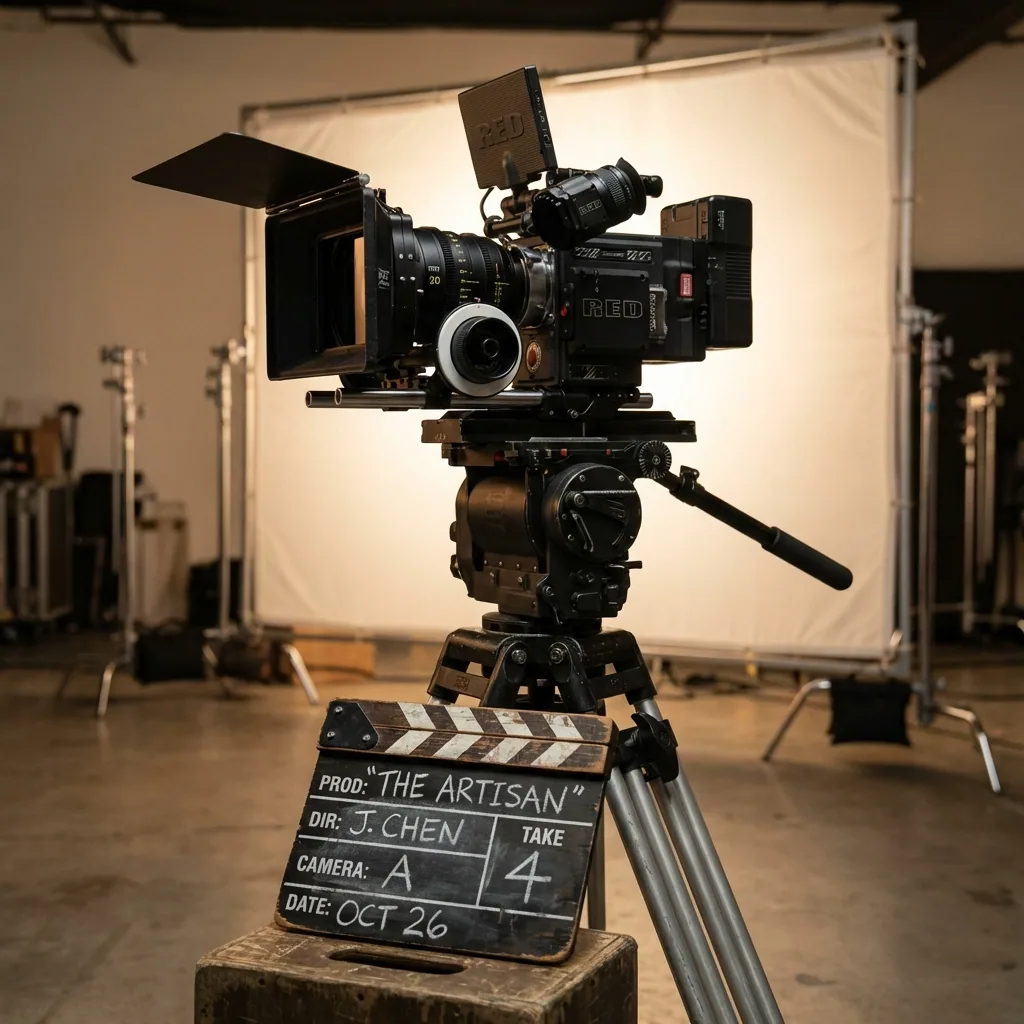

AI video can feel like magic the first time it works, and like chaos when it does not. The good news is that most "bad AI video" problems come from the same few issues: weak direction, no shot plan, and prompts that describe a scene but not how it should move.
This guide gives you a simple workflow that works across most AI video tools, whether you are generating from text, animating an image, or transforming an existing clip.
The 3 ways to make AI generated videos (pick one)
Before you touch a prompt, choose the right starting method:
1) Text to video
Best for: quick concepts, b-roll ideas, stylized scenes, short story beats.
You describe the scene and motion, and the model generates a clip.
2) Image to video
Best for: product shots, thumbnails turned into motion, consistent characters, turning a still image into a moving shot.
You provide an image as the first frame or reference, then describe motion and camera behavior.
3) Video to video
Best for: restyling footage, changing the look, adding effects, or reimagining a real clip while keeping motion.
You provide a clip and prompt the transformation.
If you are building social content fast, most creators win by combining all three: generate a few text-to-video options, lock in a strong frame, then do image-to-video variations for consistency.
A repeatable 7-step workflow (works for almost any tool)
Step 1: Start with a micro story, not a topic
A good AI clip is usually one clear moment.
Use this quick formula:
- Who or what is on screen
- Where they are
- What changes over the clip
- What the camera does
Example micro story:
A chef flips a pancake in a cozy kitchen, steam rises, camera slowly pushes in.
Step 2: Write a simple shot list (yes, even for 4 seconds)
Pick one:
- Wide establishing shot
- Medium action shot
- Close-up detail shot
If you want a longer video, generate 3–8 short clips and edit them together. That almost always looks better than trying to force one long generation.
Step 3: Choose your output format first (so you do not waste generations)
Decide where this video will live:
- TikTok / Reels / Shorts: 9:16
- YouTube standard: 16:9
- Square feeds: 1:1
Also decide:
- Duration per clip (often 3–6 seconds works best)
- Style (photoreal, animation, cinematic, clay, anime)
Step 4: Use a prompt structure that controls motion and camera
Most people only describe the scene. You want to direct the shot.
Copy this prompt template:
Example
Step 5: Generate variations on purpose (do not endlessly tweak one prompt)
Run 6–12 variations by changing only one variable at a time:
- Camera movement only
- Lighting only
- Style only
- Action intensity only
This is how you stop guessing and start controlling.
Step 6: Do a fast quality check (the 10-second checklist)
Before you keep a clip, check:
- Faces and hands: stable enough?
- Edges: warping or melting?
- Motion: smooth or jittery?
- Subject consistency: did it drift into something else?
- Background: distracting glitches?
- Text: any weird letters or fake words?
If it fails, do not fix everything at once. Fix one issue, regenerate, repeat.
Step 7: Finish in an editor (this is where it becomes real content)
Even perfect AI generations look better after basic editing:
- Trim to the best 1–3 seconds
- Add sound design or music
- Add captions
- Match color and contrast across clips
- Export with the right aspect ratio and bitrate for your platform
Prompt tips that make AI video look cinematic
Give the camera a job
Use phrases like:
- slow push-in
- dolly left
- orbit around subject
- locked tripod shot
- overhead top-down
- macro close-up
Tell the model what to focus on
Instead of adding more detail everywhere, pick one hero detail:
- steam rising
- fabric texture in wind
- reflections in puddles
- hair movement in backlight
Use constraints to reduce weird changes
Add one line like:
When in doubt, simplify
Shorter prompts with clear motion often beat long prompts stuffed with adjectives.
Common problems and how to fix them
Problem: Flicker or shimmer
Fix:
- Reduce camera shake
- Use slower motion
- Make lighting simpler (one clear key light)
- Avoid overly detailed backgrounds
Problem: The subject morphs into something else
Fix:
- Add constraints: keep the same subject, same color, same shape
- Use image-to-video with a strong reference image
- Remove extra objects that compete for attention
Problem: Faces or hands look wrong
Fix:
- Use wider shots or avoid close-ups
- Add: natural facial proportions, realistic hands, stable anatomy
- Keep motion subtle (fast motion exposes artifacts)
Problem: The tool ignores your prompt
Fix:
- Move important details to the first sentence
- Remove conflicting style cues (do not mix too many styles)
- Specify one camera move, not three
How QuestStudio helps (without making your workflow complicated)
If you are bouncing between tools and losing track of what worked, this is the part that usually slows people down.
QuestStudio helps in three practical ways:
- All-in-one creation: generate and organize assets for your project in one place, whether you are working on videos, images, voice, or music.
- Side-by-side comparisons: test the same prompt across popular models and quickly see which one nails your look.
- Prompt Library workflow: save prompt templates that work, reuse them, and build a structured library instead of starting from scratch every time.
If you want to go deeper, these pages pair well with this guide:
- For text-to-video workflows: AI Video Generator
- For animating a still image: Image to Video AI
- For turning stills into better inputs: AI Image Generator, Image to Image AI
- For cleanup and enhancement: Background Remover, Image Upscaler, Photo Restorer
- For audio: AI Voice Generator, AI Music Generator, Voice Cloning
- For keeping characters consistent across scenes: AI Character Generator, Consistent Character AI
FAQ
How do you make AI generated videos from text?
How do you animate an image into an AI video?
Why do AI videos flicker?
What are good prompts for cinematic AI video?
Can I use AI-generated videos commercially?
How do I make AI videos for TikTok, Reels, or Shorts?
Conclusion
Making AI generated videos is less about finding the perfect prompt and more about running a clean workflow: plan one moment, direct the camera, generate variations, then edit the best parts together.
If you want to speed up testing and stop losing your best prompts, try QuestStudio and keep your video prompts organized while you compare outputs side by side.
Ready to make better AI videos?
Use QuestStudio to generate, compare, and organize your AI video prompts. Test the same prompt across multiple models, save what works, and build a reusable library.
Try Video Lab Free