

Prompt engineering changes the instructions you give an AI system. Context engineering manages the information available when it follows those instructions: reference files, approved facts, conversation history, tool results, and the rules that determine which source wins. For a creative brief, the difference becomes obvious when a beautifully written instruction is paired with an outdated launch date.
Fix the source packet before rewriting the request for the fifth time. A precise instruction cannot reliably resolve a conflict you have not identified. This walkthrough uses an original fictional bottle campaign to separate an instruction problem from a reference problem, then builds a small packet another creator can reuse.
Two different reasons a brief can go wrong
Suppose the task is to produce a photography brief for a bottle launch. If the instruction says only “make this premium,” the output may be vague because the intended subject, framing, and deliverable were never defined. A clearer prompt can address that by naming the required sections and the visual task.
Now suppose the instruction is already clear, but one file says the bottle has a white cap and launches November 8, while a newer approved file says the cap is black and launch is November 15. That is a context-management problem. Adding “be accurate” does not tell the system which date is approved or whether the old image still controls packaging identity.
Anthropic's context-engineering discussion treats instructions as one part of the wider information available to a model. In a simple creative workflow, you can apply that distinction without building an agent: select the necessary sources, identify their authority, and keep them current.
Inspect the original reference conflict
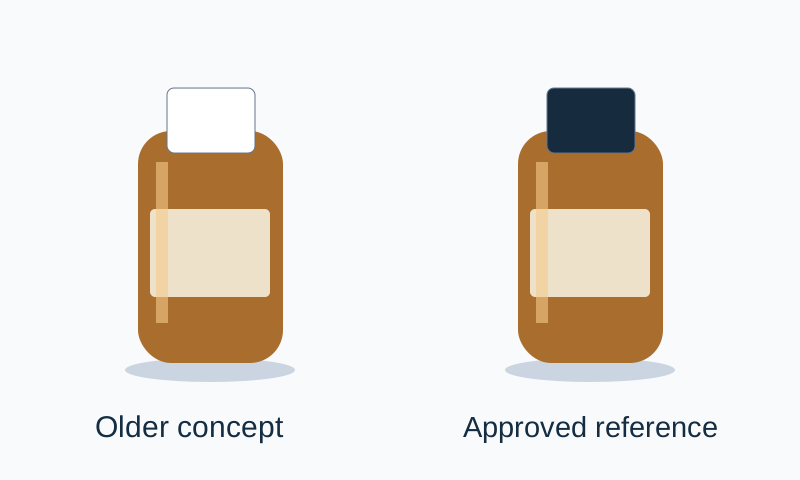
Our fictional packet has three files. The old concept note describes a white cap and November 8 launch. The approved record changes both details. A mood reference shows warm stone and soft side light, but it has no authority over the cap, label, or launch date. Those roles should be explicit rather than inferred from whichever attachment is most visually striking.
| File | Role | Use it for | Do not use it for |
|---|---|---|---|
| approved-product-v2.txt | Current source of truth | Black cap, amber bottle, November 15 launch | Unspecified ingredients or performance claims |
| concept-v1.txt | Superseded concept | Explaining an identified conflict | Current launch date or packaging |
| mood-reference.txt | Visual direction | Warm stone and soft side light | Product identity or factual copy |
Download the complete fictional packet. The dates are part of the exercise, not a real product announcement. Read the packet as a human before using it with an AI tool. You should be able to answer which source wins without asking the system to guess.
Improve the instruction after resolving authority
A useful prompt now has a narrower job. Ask for a visual brief with subject, composition, lighting, required details, and questions. Identify the approved record as controlling product facts, and the mood reference as controlling only the atmosphere. Require a conflict note if a supplied source disagrees with the approved record.
Create a supporting product-photography brief from the attached packet. Use approved-product-v2.txt for current product facts. Use mood-reference.txt only for lighting and surface direction. Treat concept-v1.txt as superseded. Keep the approved cap, bottle shape, and label. Do not invent ingredients or product claims. Return Subject, Composition, Lighting, Required Details, Questions, and Source Conflicts.
This instruction is clearer because the context has defined roles. It does not guarantee an accurate output. Review the completed brief against the approved record, particularly when an old source contains a more memorable image or a repeated but obsolete detail.
Keep the instruction focused on behavior. The product's current launch date belongs in the approved record. If you embed the date in several prompts, a later change creates several places to update. Store the fact once where possible, then reference the controlling record from the reusable instructions.
Build the smallest packet that still explains the task
More attachments are not automatically more useful. Include the sources needed to produce and check the deliverable. If the old concept is included only because somebody once used it, archive it outside the active packet. If it is important to explain a visible conflict, include it with a clear superseded label.
Preserve the details that would change a production decision: exact product identity, approved wording, intended use, output format, and unresolved questions. Remove unrelated meeting notes, repeated marketing slogans, and old drafts that add no authority. A smaller packet should still let another person reconstruct why the brief says what it says.
The tokens and context-window guide explains capacity and request size. This task is about source selection and authority. Even a packet that fits comfortably into a model's context can be confusing if it contains contradictory instructions or unlabeled revisions.
Check an output against the packet
Use a short fact checklist: amber bottle, black cap, approved label, November 15 date if the output includes a date, warm-stone setting, and no invented claims. These checks are independent. A correct date does not excuse a changed cap, and a visually appealing lighting direction does not excuse unsupported product language.
For an authored failure example, consider: “Stage the white-cap bottle for its November 8 launch, emphasizing its natural botanical formula.” This sentence follows superseded facts and invents a formula claim. The correction is not merely a more serious tone. It needs current source values and removal of the unsupported claim.
A source-consistent authored brief would preserve the black cap and amber bottle, use the mood reference for soft side light, and leave ingredients unspecified. These are illustrative drafts. They are not reported outputs from a named model or a measured comparison of prompt techniques.
Keep context fresh across revisions
When the client changes a fact, update the controlling record and its revision date. Identify which downstream prompts, images, videos, captions, and scheduled posts relied on the old value. A factual change can affect several assets even when the instruction template remains unchanged.
Save the previous approved version for traceability, but make the current version easy to identify. Do not leave two files both called “final” in the active packet. A useful filename and a small manifest are more reliable than expecting every collaborator to remember a chat message from last week.
If you use a long conversation, restate the current source roles at a meaningful handoff. Do not assume an earlier correction is still visible or receives the intended priority in a different service. Check the sources actually attached to the new task, especially when you move between text briefing and image or video generation.
Use the packet in QuestStudio
Store the reusable instruction in Prompt Lab and keep the approved source record with the project materials. Then take the supported image references into Image Lab for the visual task. Check the input controls of the selected route; a text source manifest does not make a model accept an unsupported attachment type.
Use the reference-pack workflow when the main issue is assigning different visual references to identity, lighting, or composition. Use the prompt-test fixtures when you want to make the same conflict test repeatable. The finished handoff should include both the instruction version and the approved source version.
Frequently asked questions
Does context engineering replace prompt engineering?
No. Instructions still matter. Context engineering also considers the sources and other information available when those instructions are followed.
Is a longer prompt a better context packet?
Not necessarily. Length does not establish relevance, freshness, or source authority. Include the information needed to produce and verify the task.
What should I do with an outdated reference?
Remove it from the active packet unless it serves a clear purpose. If it must remain, mark it as superseded and identify which current record wins.
Can the AI decide which source is approved?
It can help identify conflicts, but approval is a project decision. State the authority explicitly rather than relying on filename order or visual prominence.
Were the example briefs measured model outputs?
No. They are authored examples that make the source conflict visible. Use your own actual outputs when evaluating a specific model or service.
Build a brief from approved references
Bring the resolved instruction to Prompt Lab. Keep the authoritative source packet beside it so product facts remain traceable.