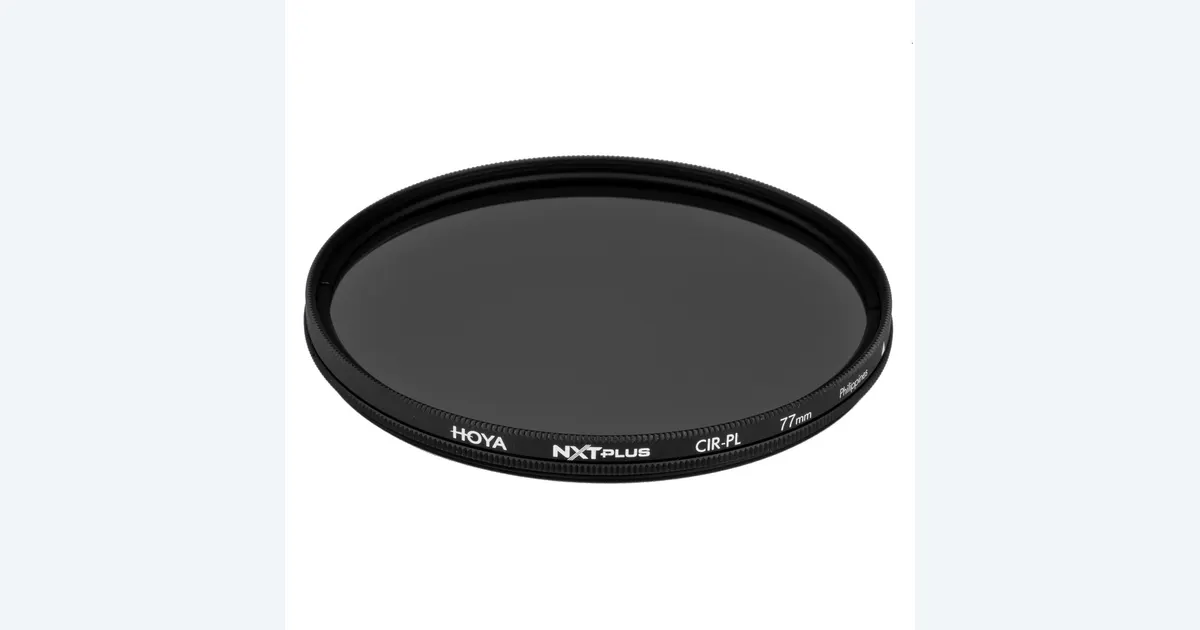

A circular polarizer can make a glossy label easier to read when reflections hide its detail. It cannot remove every reflection, and maximum polarization is not always the most faithful product photograph. The Hoya NXT Plus is a practical filter to investigate after moving the light and camera; the linked 67 mm size must match your lens or a supported adapter arrangement.
A product to consider
Check the fit below, then select Buy on Amazon for the current offer and buying options. We may earn a commission from this paid link.
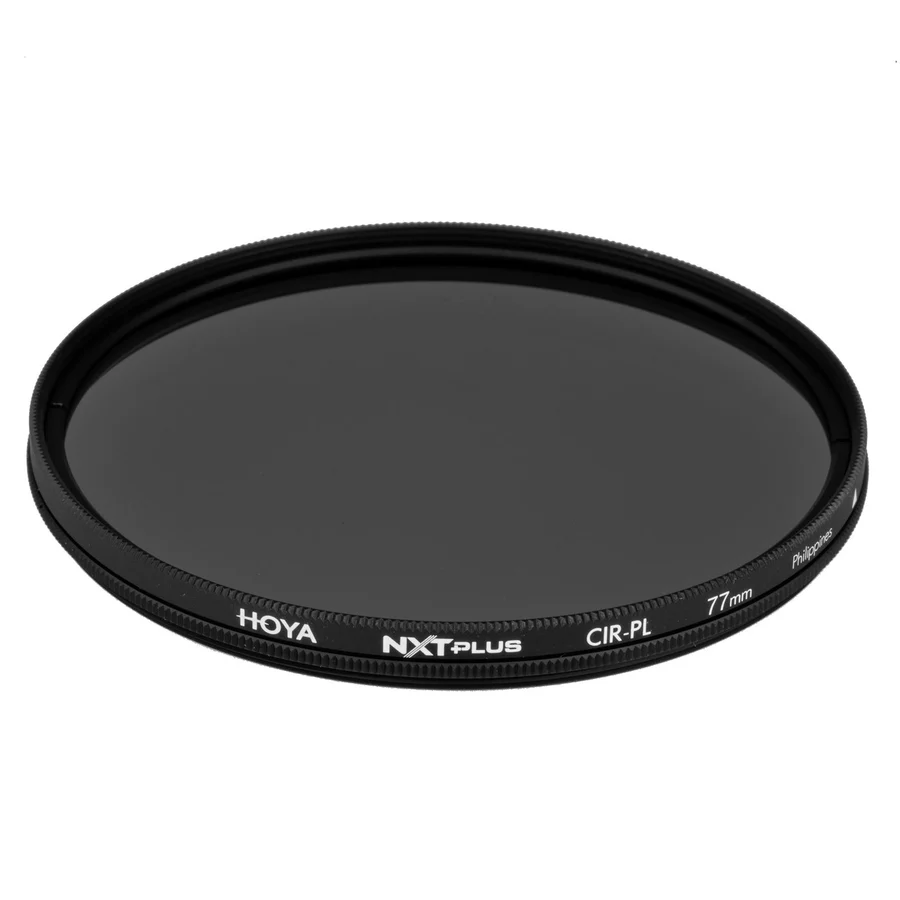
Hoya NXT Plus circular polarizer, 67 mm
For a compatible 67 mm lens when reflective packaging needs more readable detail
Match the lens filter thread, not the focal length. This is the NXT Plus CPL, not a UV filter or variable ND. The effect depends on the surface, light and camera angle.
Download the practical worksheet
Original blank CSV worksheet. Record your own setup and observations.
Move the light before buying more glass
Place the product on a stable surface and inspect the reflection through the camera. Move an existing light to one side, raise it slightly or change the camera angle. Watch the label rather than the whole scene. You may reveal the lettering without adding a filter at all. A larger diffusion surface can also change a harsh highlight into a useful shape.
A reflection describes a material. Completely removing it can make glossy packaging look matte or make transparent glass difficult to recognize. The useful goal is readable information with a believable surface, not the smallest possible bright area. Save an unfiltered reference before changing anything.
Our light box versus softbox guide covers changing the lighting arrangement. A polarizer is a later control in that setup, especially when a workable angle still leaves a troublesome reflection on glass, plastic or a coated surface.
What a circular polarizer changes
A CPL uses a rotating element to control certain polarized reflections. The effect varies with the surface and the geometry of the light and camera. The Cokin explanation demonstrates rotation as the way to select the amount of reflection control. You evaluate the result through the actual camera view, not by assuming a fixed ring position works everywhere.
It is particularly useful to investigate for nonmetallic surfaces. Do not assume that bare polished metal will respond like glass. A metal package may include coatings, printed areas and plastic windows that behave differently within the same frame. Change the angle and inspect each important region.
Screens can also become unexpectedly dark or show uneven patterns through polarization. If the product demonstration includes a display, make a specific test with that display on. A filter that improves the outer glass while hiding the information on screen has not solved the shot.
Match the filter to the lens
| Check | Where to look | Common confusion |
|---|---|---|
| Filter thread diameter | Lens rim or manufacturer specification | 67 mm is not the focal length |
| Filter type | Selected product and model | CPL is not a UV protector or variable ND |
| Physical clearance | Lens, hood and adapter guidance | A matching thread does not guarantee hood clearance |
Read the lens's filter-thread specification. A zoom labeled 24–70 mm describes focal length, not the screw thread at its front. If you use step-up rings, plan the full assembly and check how it affects the hood and cap. Do not force a filter that resists threading.
Avoid stacking several filters simply because each has a useful label. Additional frames can intrude into a wide-angle view, and extra surfaces can change flare or reflections. Start with the simplest supported arrangement, then inspect the frame corners at the widest view you expect to use.
The image above is Hoya's NXT Plus family photography; the purchase link selects 67 mm. Confirm the selected diameter on Amazon, because a different lens in your kit may need another size. Keep that check separate from the question of whether polarization helps your subject.
What the NXT Plus recommendation is based on
Hoya lists a low-profile aluminum frame, front filter threads and ten layers of HMC coating for NXT Plus CPL. Its comparison chart indicates roughly 1.7 stops of light reduction. These are manufacturer specifications, not QuestStudio measurements. Plan exposure using what the camera actually records rather than treating a marketing factor as an exact correction in every scene.
This is not Hoya HD nano II or HD3. Their coating, transmission and durability claims should not be attached to the NXT Plus simply because all three are circular polarizers. We have not tested this filter's sharpness, color neutrality or scratch resistance.
Choose it as a conditional tool for a compatible lens and a recurring reflection problem. Skip it when moving a light solves the problem, when the subject does not respond usefully, or when an added filter complicates a setup you rarely use. A higher-priced filter is not a substitute for understanding the surface.
Run a four-frame reflection exercise
Use one product with a readable label and a visible shiny area. Fix the camera position using a suitable support, keep the lighting unchanged and record the lens and filter size in the worksheet. The comparison should show your actual setup, not a promise about every product.
- No filter: save a baseline with the label and finish visible.
- Minimum useful change: attach the CPL as directed and rotate while watching the label.
- Stronger effect: rotate further and note which reflections disappear or become uneven.
- Chosen compromise: save the position that preserves both readability and a believable material.
Keep exposure comparable when judging the frames. A darker photograph can appear to have less glare simply because everything is darker. Note any exposure adjustment and avoid changing several creative settings at once. Examine the saved files, including corners and fine print, rather than judging only a small camera preview.
Record one reason for the chosen frame and one remaining problem. For example: the ingredient label is readable, but the cap reflection still hides its shape. That observation suggests a lighting adjustment or a second reference angle, rather than more aggressive filtering of the entire scene.
Use reflection control honestly in product ads
Keep the unfiltered and selected reference together. A product listing may need a clear informational image and a more atmospheric promotional image, but both should describe the same merchandise. Do not use polarization or retouching to imply a surface texture the customer will not receive.
When using a real reference for an AI-assisted background or scene, check the result with the QuestStudio product fidelity benchmark. Compare the label, transparency and finish. Generated glass and glossy packaging can look attractive while changing practical details.
A repeatable camera position makes those comparisons easier. Save the filter choice in the shot notes so the next product can be photographed under similar conditions. Reusing the same ring position without rechecking a differently shaped bottle is not a repeatable method.
For video, preview the whole planned move. A reflection that is controlled at the beginning can return as the camera or product turns. Decide whether that change looks natural and whether important text stays readable. If it does not, simplify the movement or lighting instead of assuming a still-photo setting will hold through the take.
Check the current offer
If the product fits your setup, check the selected model, condition, seller and included contents on Amazon. We may earn a commission from this paid link.
Frequently asked questions
Will a CPL remove reflections from every surface?
No. The effect depends on material and angle. Bare metal, curved packaging and displays can behave differently from flat glass.
Is 67 mm the focal length I need?
No. It is the filter-thread diameter. Find that measurement on your lens or its official specification.
Can I use a CPL instead of an ND filter?
It reduces some light, but its main role is polarization. Choose neutral-density filtration around exposure needs rather than treating a CPL as an interchangeable substitute.
Should I rotate until every reflection disappears?
Not necessarily. Reflections help communicate gloss and shape. Choose a result that preserves the real material while making important detail readable.
Does this guide contain a measured NXT Plus test?
No. It combines manufacturer documentation with an original comparison exercise for your own equipment and products.
Sources and further reading
Research and Amazon listings checked October 28, 2026. Check the current offer for condition, seller, price and included contents. Images: credited manufacturer product imagery, not QuestStudio test photographs. Original decision framework and worksheet: QuestStudio.
Affiliate disclosure and research approach
As an Amazon Associate I earn from qualifying purchases. If you buy through paid links, QuestStudio may earn a commission at no extra cost to you. See our editorial and affiliate policy.
This is a research-based guide using linked manufacturer documentation and clearly attributed published reviews where available. We have not tested this equipment hands-on. The worksheets are original exercises for your observations, not published test results.